Movement Assessments

Movement Assessments identify altered movement patterns that may increase your risk of injury. If you’ve ever experienced pain, injury, or stress during your lifetime, it has influenced the way that you move. Your nervous system will automatically change the way you move when it feels a need to protect something. It may limit the use of your hip muscles to create a limp after an ankle sprain, or tighten the muscles around your shoulder blade to help you hold your arm close to your side after a shoulder injury. Your nervous system may even alter your breathing and create tension in your neck if you have something to say in a meeting but are continually told to sit quietly.

These altered movement patterns are meant for temporary protection, but they do not always return to normal after the injury has healed or the event has passed. Your ankle and shoulder have healed, but you still don’t use your hip or shoulder blade muscles well. You are out of the meeting, but the altered breathing and neck tension persist. Over time, movement patterns that were meant to be a temporary detour become your nervous system’s primary way of operating. And typically we aren’t aware of the changes.

Altered movement patterns often inefficient and suboptimal. They require some muscles and joints to overwork and for others to become less active and to tighten. This can impact overall strength, mobility, coordination, and increase the risk of injury. Performing a Movement Assessment helps to identify these areas and learn exercises and techniques to address them to restore normal movement patterns.
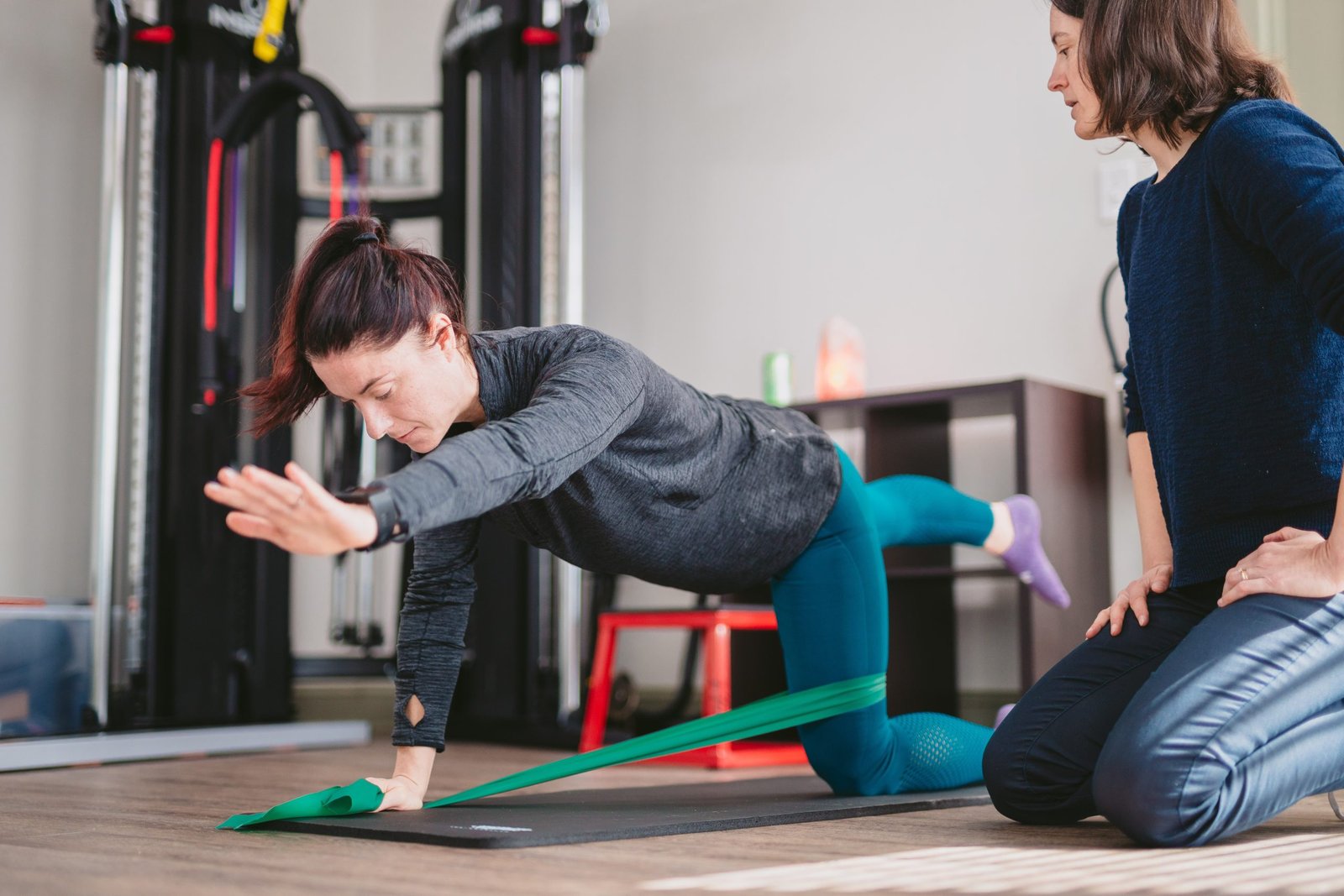
Movement Assessment


During your one on one session you’ll perform a variety of whole body movement, mobility, and balance exercises. We’ll use these to identify any asymmetries and restrictions that alter normal movement patterns and increase the risk of developing an injury.

Based on your individual results, we’ll create a customized movement plan with exercises addressing your specific needs. You will also learn how to perform self-checks to understand how your movement patterns change day to day and over time.

Movement Assessments can be done at any time. They are most important to perform if you’ve experienced and injury in the past and are preparing to begin a new exercise program or you are looking to increase the time and/or intensity of a current program.

Follow Up Sessions


Optimize your routine with movement feedback and exercise progression. We’ll build on your Movement Assessment findings and keep the exercises evolving with your progress. During these sessions we’ll check on the key findings from your Movement Assessment and help you fine tune your exercises and progress to new ones as your movement patterns change. 

Movement Readiness Quick Screen

Our Quick Screen is a free 30 minute class that will take you through several different movements to help identify major movement restrictions or asymmetries that may increase your risk of injury. We offer these free classes weekly at Mosaic Climbing.